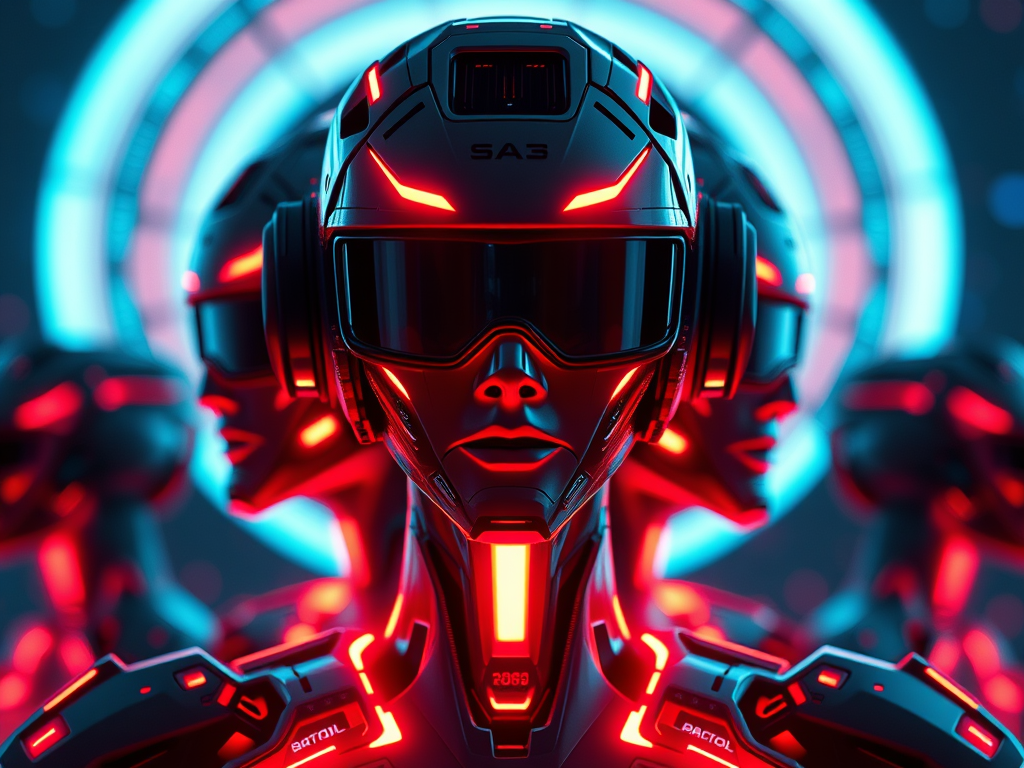
The Rise of Synthetic Identities: The New Reality of the Digital World
Introduction: Reality or Fiction in the Digital Age?
In today’s digital era, where the boundaries between real and virtual are increasingly blurred, a fascinating and controversial phenomenon has emerged: synthetic identities.
Far from being simple fake profiles, these digital entities are reshaping how we interact, do business, and perceive authenticity online. But what exactly are they, and why should you care?
What Are Synthetic Identities?
A synthetic identity is a digitally generated personality that does not correspond to a real human being.
They are built by combining:
- Real data (emails, authentic documents)
- Fake or AI-generated data (deepfake faces, voices, text, behaviors)
Unlike static avatars, synthetic identities can interact autonomously, create content, respond to users, and evolve over time.
Key technologies: Artificial Intelligence (AI), Machine Learning, Deep Learning, and Generative Adversarial Networks (GANs).
Innovative Applications of Synthetic Identities
1. Art and Creativity
Virtual artists creating music, digital paintings, or AI-generated poetry.
2. Marketing and Digital Influence
Virtual influencers fully controlled by brands, interacting with audiences without human reputation risks.
3. Education and Simulations
Virtual tutors, realistic medical training, and psychological simulations.
4. Entertainment
Hyper-realistic characters in video games, cinema, and interactive storytelling.
5. Research and Development
Simulating crowds or demographic segments for behavioral studies.
6. Business Management
Advanced virtual assistants, customer service bots with defined personalities, and “synthetic employees” for corporate training.
Labor Market Impact: New Professional Profiles
Technical and Creative Roles
- Generative AI Engineers (GANs, Transformers)
- Prompt Engineers (prompt optimization specialists)
- Synthetic Identity Designers (3D avatars, animation)
- Narrative Designers (creating personalities and dialogues for AI)
Strategic and Ethical Roles
- AI Ethics Specialists
- AI and Governance Consultants
- Data Analysts and Cybersecurity Experts
Leading Sectors
Technology, metaverse, marketing, education, healthcare, and entertainment.
Ethical and Social Challenges
- Authenticity and disinformation: risk of fake news and manipulation.
- Privacy and data: AI training requires massive personal data sets.
- Copyright issues: who owns a work created by a synthetic entity?
- Psychological impact: social relationships mediated by non-human entities.
- Regulatory gap: legislation is not keeping up with technology.
The Future: Toward Responsible Coexistence
The future will be hybrid: humans and synthetic identities will increasingly coexist.
Key factors for healthy integration:
- Solid regulation and ethics
- Transparency (knowing when we interact with AI)
- Digital literacy for critical and informed users
Companies adopting these technologies ethically and creatively will lead the next wave of innovation.
Conclusion: A Frontier Already Here
Synthetic identities are not just a trend: they represent the natural evolution of digital life.
The real challenge is not whether we will coexist with them but how—and whether we can preserve our humanity in this new era.
Descubre más desde JRN AI Digital Art & Sci-Fi
Suscríbete y recibe las últimas entradas en tu correo electrónico.
